
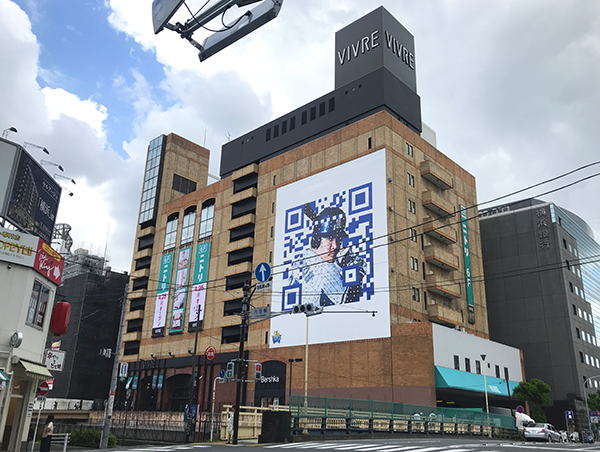
QR Codes and Out-of-Home Advertising
Over the past few years, QR codes have become one of the go-to calls to action for marketers everywhere.
At the bottom of a newsletter, at the end of a book, or plastered across a poster, they’re all over the place—including in out-of-home (OOH) ads.
For the most part, there’s good reason: in print, links can get lost in other content or be too long to type. With built-in smartphone camera scanners and widespread familiarity, QR codes are usually a solid option.
Why Billboards Restrict QR Codes
The restriction mostly applies to billboards, since so many sit along roadsides. A QR code tempts drivers to pull out their phones and scan while driving, which, put simply, is dangerous.
Instead of QR codes, advertisers are usually urged to include:
- Websites that are easy to remember
- Phone numbers that can be spoken to assistants like Siri
Where QR Codes Work in OOH
The good news: billboards may heavily restrict QR codes, but not all OOH formats follow the same rules. These formats are far more likely to allow them:
In-lobby TV screens
Bus interior ads
Kiosks
Set on a QR Code?
Don’t fret. We can help you find OOH formats that welcome QR codes for your next campaign.