
Do Billboards Have Restrictions?
Billboard advertising is one of the easiest and most effective ways to reach countless people in a desired city or community.
Massive visibility and exposure are certain, but one aspect often overlooked is the restrictions on billboard advertising.
Whether you’re running a commercial, nonprofit, or political campaign, it’s essential to understand billboard artwork restrictions so you can save yourself time, money, and a legal headache before it’s too late.
Required Legal Disclosures
The first step is knowing what type of ad you are running. Certain billboard ads, especially political, financial, and medical messaging, must include specific disclosures:
Political ads
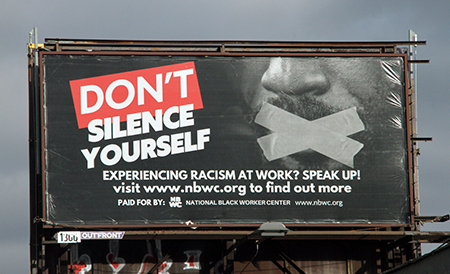
Most states require a “Paid for by [Organization or Individual Name]” disclaimer, similar to political TV commercials. Some areas mandate additional transparency details, and many require contact info such as an email, website, or phone number.
Financial services
Billboards promoting loans, mortgages, or credit services often need disclaimers about terms and conditions and APR rates.
Medical & legal services
Claims about treatments, procedures, or legal assistance may need disclaimers about FDA approvals, risks, and credentials.
Readability Standards
Billboards are viewed from a distance and at high speeds, so readability is crucial. Poorly designed billboards can lead to wasted ad spend and even legal issues if they create distractions or visibility hazards for drivers. Keep in mind:
- Size matters: bigger text for far-away highway viewing; smaller text works for close-range, ground-level ads
- Font choice: avoid thin, decorative, or script fonts for easy legibility; use bold, clean sans-serif fonts
- Be concise: keep your text under 10 words so it leaves an impact
Prohibited Content on Billboards
Creativity is limitless, but not everything can go on a billboard. Many states and areas restrict content to protect the public interest. Three content areas have the most restrictions:
Adult content & tobacco
Most cities ban billboards promoting adult entertainment or tobacco, especially near schools.
Offensive or explicit imagery
Offensive language, hate speech, and nudity are strictly regulated and can result in fines.
False or misleading claims
Consumer protection laws prohibit deceptive messages, so make sure your messaging is true.
For adult-oriented content, the visuals must be presented tastefully, and all ads must meet truth-in-advertising standards.
Final Notes
Billboards are a powerful advertising tool, but navigating local regulations is crucial to your campaign’s success. Read up on local advertising law, and you’ll be in the clear to advertise to your heart’s desire.